

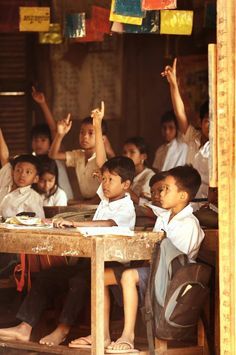
PERSPEKTIFNUSANTARA.COM– In an ideal classroom, questions should flow as naturally as answers. Learning is not only about receiving information but also about exploring ideas and seeking understanding. Yet in many schools today, silence dominates the learning process. Students often choose to remain quiet despite their confusion, not because they lack curiosity, but because they fear being judged by teachers or classmates. As a result, many students hide their uncertainty rather than risk asking a question.
This fear of asking questions has become a hidden problem in education. Schools often place great emphasis on correct answers, high grades, and academic performance, while students who make mistakes may feel embarrassed or discouraged. Consequently, many learners begin to associate asking questions with failure instead of seeing it as a natural part of learning. Over time, this mindset reduces students’ confidence and encourages passive participation in the classroom.
Research supports the existence of this issue. A study published in PLOS ONE (2024) found that fear of negative evaluation is one of the primary reasons students hesitate to participate in classroom discussions. Students reported concerns about making mistakes and being judged by others. Similarly, research conducted at Muhammadiyah University of Bengkulu identified anxiety and low self-confidence as significant factors that prevent students from asking questions during lessons. These findings suggest that classroom silence is often driven by psychological barriers rather than a lack of interest in learning.
Baca juga: Hari Pancasila di Tengah Krisis: Ujian Besar Pemerintahan Prabowo dan Masa Depan Indonesia
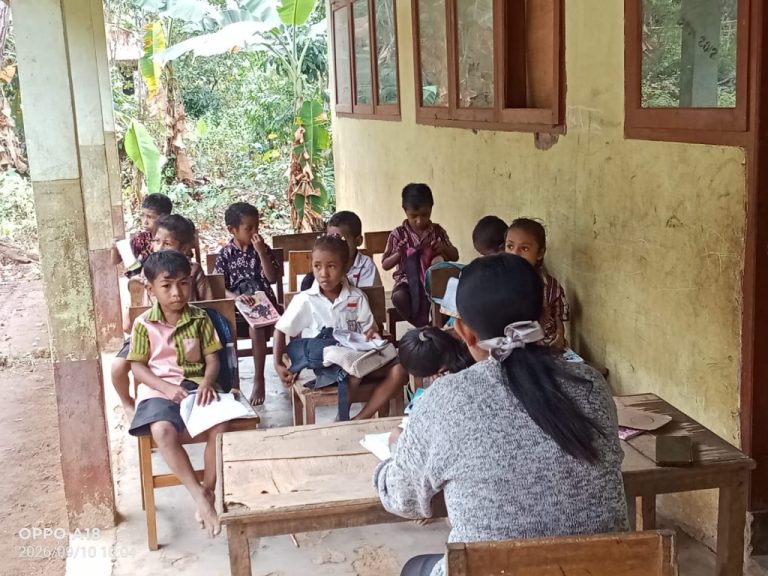
A common example can be seen in many classrooms. A student may not understand a concept explained by the teacher but chooses not to raise their hand because no one else is asking questions. The student worries that classmates might consider them slow or incapable. Instead of seeking clarification, they remain silent and hope to understand later. Unfortunately, this misunderstanding often continues, affecting homework performance, test results, and overall learning progress.
The problem becomes more serious when silence turns into a classroom culture. Students observe their peers and adapt to the social environment around them. When asking questions is uncommon, many learners begin to believe that speaking up is risky or unnecessary. In some educational settings, cultural expectations also encourage students to listen quietly rather than actively engage in discussion. As a result, classrooms may appear orderly and attentive, but genuine understanding is often left unexamined.
The consequences of this culture extend beyond academic performance. Asking questions develops critical thinking, communication skills, and intellectual independence. Students who are afraid to ask questions may struggle to express their ideas, seek assistance, or participate confidently in future academic and professional settings. In contrast, students who feel comfortable asking questions tend to develop deeper understanding and stronger problem-solving abilities.
Baca juga: Tantangan Pengawasan Pemilu di Kabupaten Sikka: Belajar dari Pemilu 2019 dan 2024
For this reason, teachers and schools must create learning environments where curiosity is valued rather than discouraged. Positive responses to student questions, supportive classroom discussions, and opportunities to learn from mistakes can help build confidence and reduce anxiety. Education should not only teach students how to answer questions but also encourage them to ask questions without fear. If fear continues to replace curiosity, classrooms may remain quiet, but meaningful learning will remain silent as well.