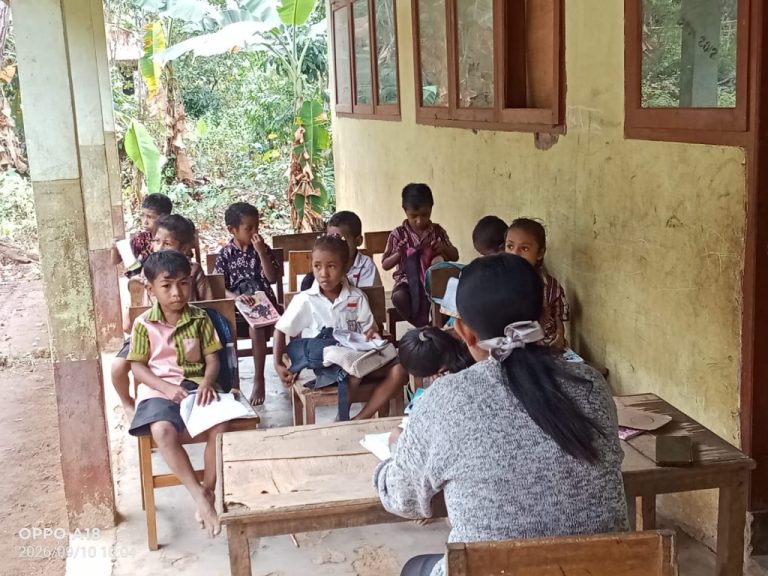



In addition, teachers are increasingly expected to support students’ emotional and mental well-being. Many students experience academic pressure, social challenges, and emotional stress, especially in the digital era. Research from UNICEF in 2021 showed that schools implementing social and emotional learning programs often experience improvements in both student behavior and academic performance. As a result, teachers are not only educators but also trusted figures who provide encouragement, empathy, and emotional guidance to students.
Finally, the role of teachers extends beyond the classroom through collaboration with parents and the wider community. Effective communication between schools and families can positively influence students’ academic success and personal development. A report by the Harvard Family Research Project in 2019 found that students whose parents are actively involved in their education tend to perform better in school. In Indonesia, cooperation between teachers and parents is especially important in supporting students’ discipline, motivation, and learning habits both at school and at home.
In a rapidly evolving world, teachers remain one of the most important pillars of society. While technology continues to reshape education, the human role of teachers as mentors, guides, and motivators cannot be replaced. Their ability to adapt and inspire will determine how future generations face the challenges of tomorrow.