

Another concern is the issue of privacy and data protection. AI systems often collect large amounts of personal information in order to customize learning experiences. If this data is not managed responsibly, students may face risks related to privacy breaches and misuse of information. Therefore, educational institutions must ensure that proper safeguards are in place when implementing AI technologies.
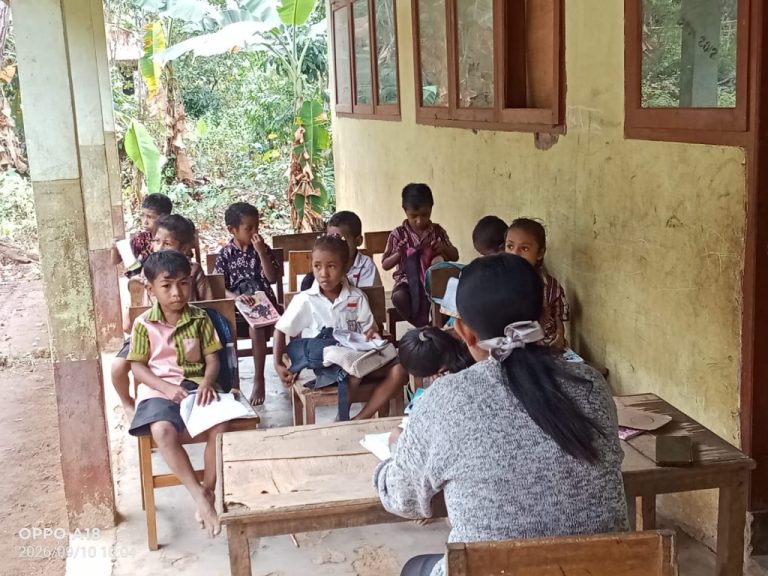
In addition, not all students have equal access to technology. Reliable internet connections and digital devices are still unavailable to many learners, especially in developing regions. If education becomes too dependent on AI, students with limited access to technology may be left behind. Traditional teaching methods continue to play an important role in ensuring that education remains accessible to everyone regardless of their circumstances.
In conclusion, Artificial Intelligence offers many opportunities to improve education through personalized learning, greater accessibility, increased efficiency, and immediate feedback. However, it cannot replace the human qualities that teachers contribute to the learning process, such as emotional support, guidance, and mentorship. Rather than viewing AI and traditional education as competing approaches, they should be combined to complement one another. By integrating technological innovation with human-centered teaching, education can better meet the needs of future generations.
Klik link ini untuk mendapatkan informasi terbaru hanya di PerspektifNusantara.com.