
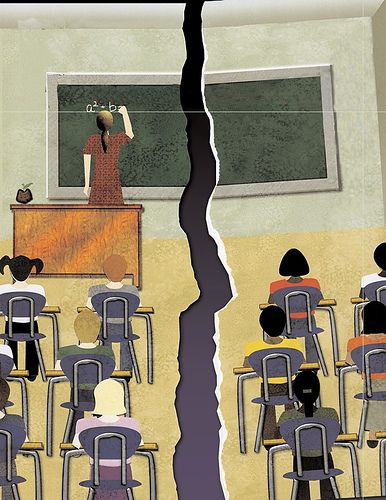
Moreover, improving education requires more than building schools. Educational quality is closely connected to broader public infrastructure, including roads, electricity, transportation, and internet access. Without proper infrastructure, schools in remote regions cannot function effectively. Therefore, stronger cooperation between the central government, local authorities, private companies, and communities is necessary to reduce educational inequality.
Teacher welfare should also become a national priority. Educators assigned to remote regions need proper incentives, housing support, and professional development opportunities. Better working conditions may encourage more teachers to serve in disadvantaged areas. At the same time, digital literacy programs must be strengthened to help students and teachers adapt to modern educational systems. Technology should become a tool that reduces inequality rather than widening the gap between urban and rural communities.
Public awareness is equally important in solving this issue. Society often pays greater attention to prestigious schools in large cities while overlooking the struggles faced by students in isolated regions. Media coverage, educational campaigns, and community movements can help raise awareness about these inequalities. Greater public attention may also encourage policymakers to prioritize fair educational development across Indonesia.
Equal education cannot be achieved if students’ opportunities are determined by geography. Indonesia’s future depends not only on expanding access to schools, but also on ensuring that every child—regardless of where they live—has access to safe classrooms, qualified teachers, and adequate learning facilities.
Klik link ini untuk mendapatkan informasi terbaru hanya di PerspektifNusantara.com.